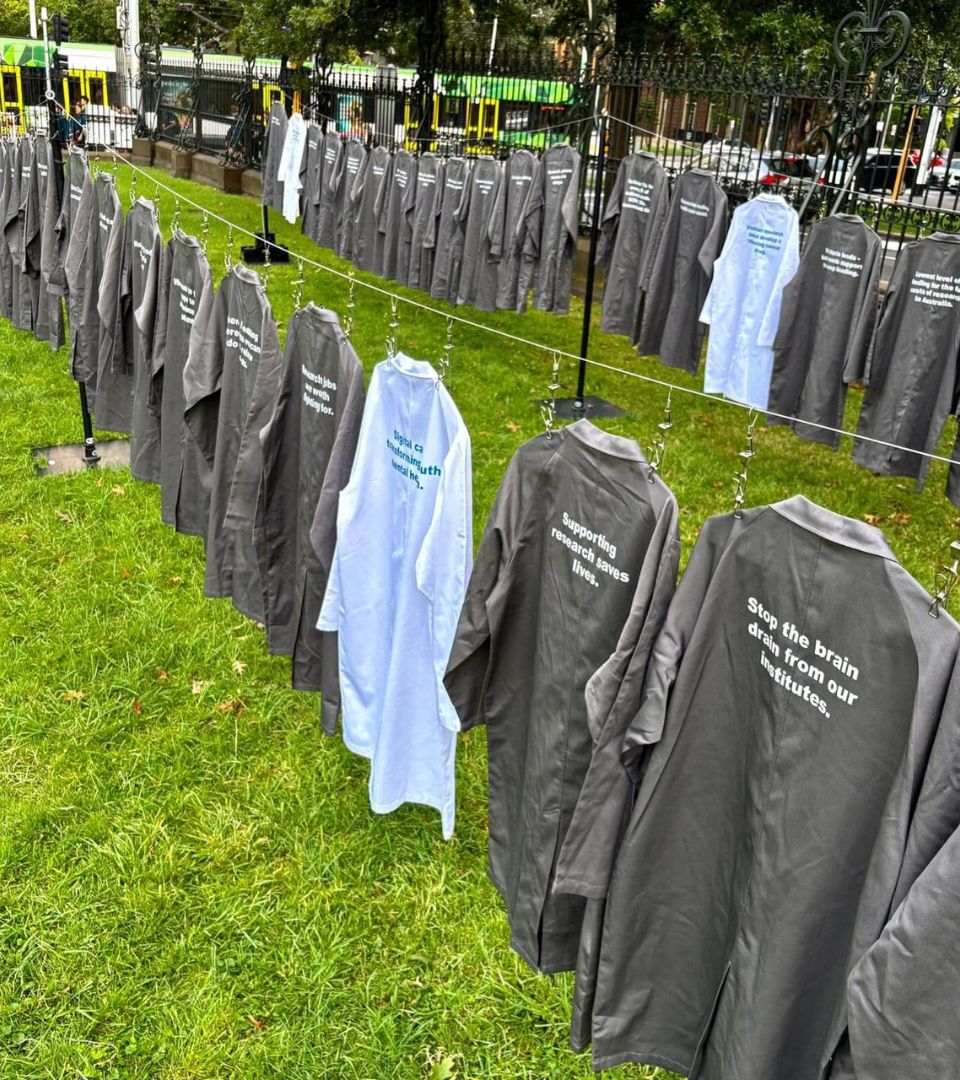
100 Lab Coats. Countless Lives Waiting.

Explore the stories inside every coat and discover what’s at stake for the future of Victorian medical research - and for all of us.

Discover the stories behind 100 Lab Coats.

What is the problem?

Victorian medical research is at a crossroads. Despite delivering life-changing breakthroughs and driving huge economic and health benefits, support for the hidden, essential costs of research – like laboratory infrastructure, expert staff, and equipment – is falling dangerously short. Without this critical funding, world-class discoveries and promising projects are left on hold, facilities stand empty, and the brightest researchers face leaving Victoria for good.

What is the solution?

Funding the full costs of research will deliver $950 million + in Gross State Product by FY 2029, alongside the treatments, cures, and hopes of families that define Victoria’s identity as a global leader in medical research.

AAMRI VIC is calling for Operational Infrastructure Support (OIS) funding to be increased to $95 million annually, indexed at 8.4% to prevent the loss of future breakthroughs in the sector in the Victorian State Budget.

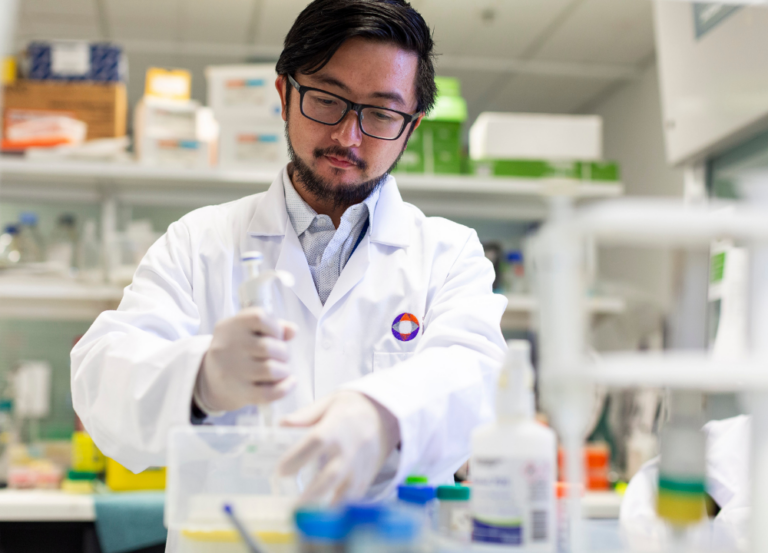
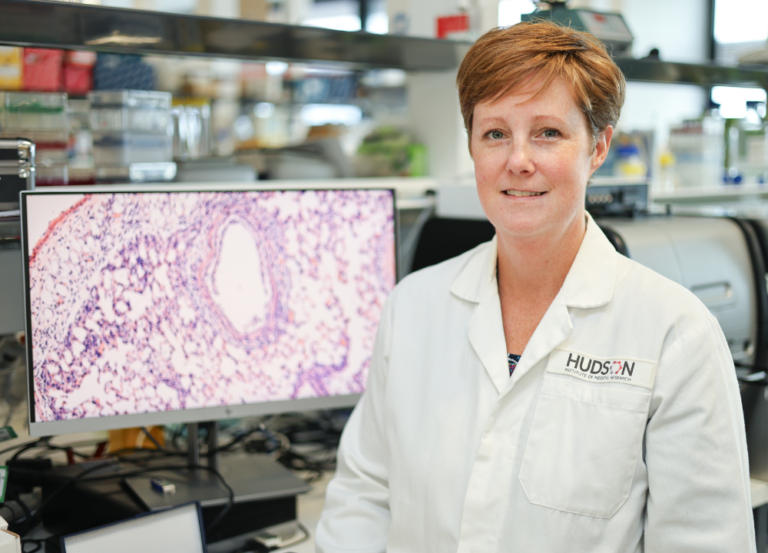
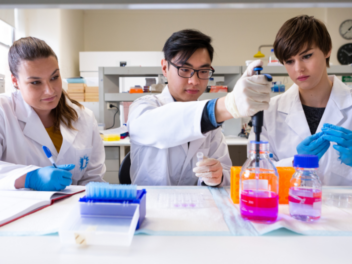
Victoria's bench to bedside medical researchers at work (clockwise from top left): St Vincent's Institute of Medical Research; Hudson Institute of Medical Research; Burnet Institute; Bionics Institute.

Stories of Hope

Generating Economic Value

Newborn genomic screening enables more lifesaving diagnoses

Newborn genomic screening enables more lifesaving diagnoses

Adding genomic sequencing to newborn blood screening would detect hundreds of additional childhood conditions, providing much earlier diagnosis and treatment. A baby’s genome, which stays with them for life, could also be re-examined if a health issue arises during their lifetime. The Murdoch Children’s Research Institute (MCRI) and Victorian Clinical Genetics Services study found genomic screening could easily be included as part […]

Read story
From lab discovery to global impact

From lab discovery to global impact

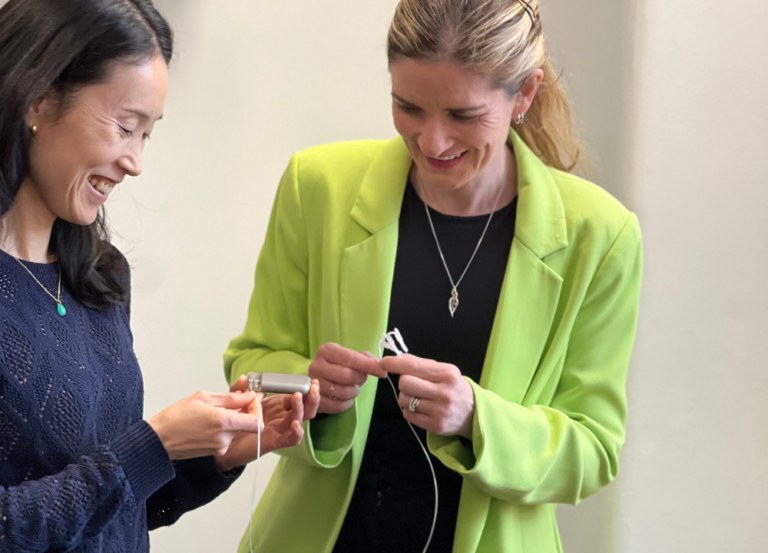
What began as a doctor’s bold research idea is now a global success story. Working with neurologist Professor Mark Cook, researchers at the Bionics Institute developed an implant that continuously monitors brain activity in people with epilepsy. Unlike current monitoring in short-stay hospital tests, the implant can track seizures long-term, giving doctors more accurate data to guide treatment. In 2025, the spin-off company Epiminder set up to commercialise this innovation listed on the ASX, a major […]

Read story

Enhancing Productivity

Blood stem cell breakthrough could transform bone marrow transplants

Blood stem cell breakthrough could transform bone marrow transplants

Murdoch Children’s Research Institute researchers have made a world-first breakthrough into creating blood stem cells that closely resemble those in the human body.  And the discovery could soon lead to personalised treatments for children with leukaemia and bone marrow failure disorders. The study has overcome a major hurdle for producing human blood stem cells, which create red cells, white blood cells and platelets, that closely match those […]

Read story
Transforming Breast Cancer Screening with artificial intelligence

Transforming Breast Cancer Screening with artificial intelligence

The BRAIx randomised controlled trial is a landmark Australian study evaluating whether a new artificial intelligence mammogram ‘reader’ can safely replace one of the two radiologist readers in population breast cancer screening. By improving mammogram interpretation, BRAIx aims to reduce false positives and false negatives, significantly strengthening diagnostic accuracy and reducing patient harm. Jointly developed by St Vincent’s Institute of […]

Read story

What We Stand to Lose

The $5 million missed opportunity that could have changed endometriosis care

The $5 million missed opportunity that could have changed endometriosis care

It’s no secret that endometriosis costs up to 1-in-7 women years of pain, multiple surgeries and hugely diminished quality of life. It also costs the Australian economy up to $10 billion each year. For less than $5 million, the Australian Menstrual Fluid Biobank for Endometriosis Research (AMBER), would have provided a sustainable, living biobank of menstrual fluid to enable the development […]

Read story
Anorexia breakthrough at risk due to lack of funding

Anorexia breakthrough at risk due to lack of funding

Anorexia nervosa is the deadliest mental illness. Treatments haven’t changed for decades and are effective in only about half of patients. After discovering the world’s first biomarker for anorexia nervosa – a type of eye-movement related to specific brain regions – the Orygen Eating Disorders team is on the brink of a treatment breakthrough.  A pilot study has found that a novel treatment stimulating these specific areas of the brain led […]

Read story